
Art Therapy
in Williamsburg, Brooklyn
Sometimes words alone don’t capture what you’re feeling. Art therapy offers another way to explore your experiences, notice patterns, and connect with parts of yourself that may be difficult to express in conversation.
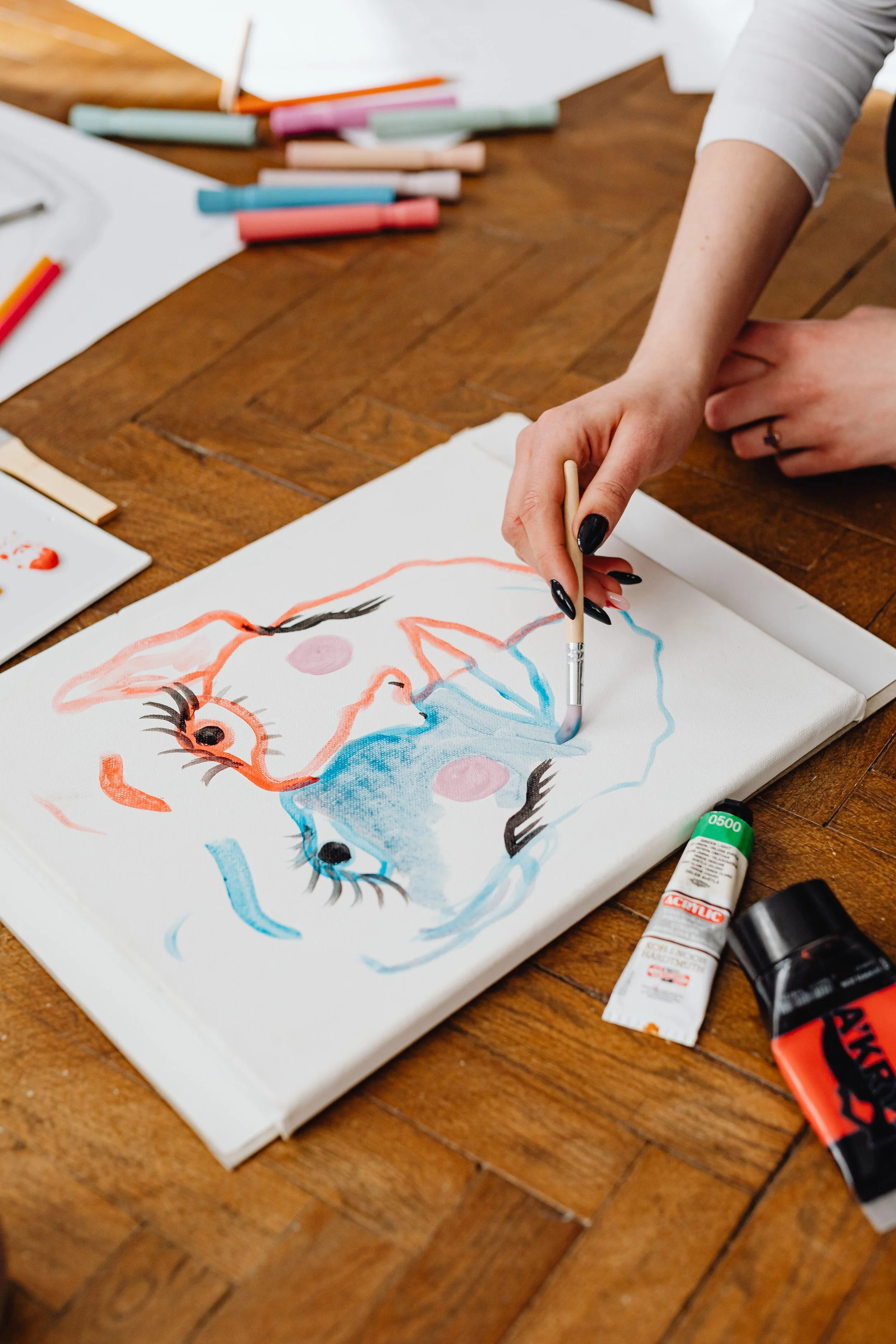
At Transcendent Self Therapy, art making and conversation work together. Your therapist may invite you to draw, paint, or use other materials as part of the session, then help you reflect on what comes up. You don’t need artistic experience, and there’s no right way to make art here. The focus is on what the process helps you discover about yourself.

What is Art Therapy?
Art therapy is psychotherapy that uses creative expression alongside conversation. Making an image or working with materials can give you a way to explore a feeling, memory, or question before you have words for it.
You might use art therapy to:
Explore emotions that feel difficult to explain
Notice patterns in your relationships or sense of self
Work through grief, trauma, anxiety, or life changes
Connect with feelings you’ve learned to set aside
Make room for curiosity, play, and new perspectives
You and your therapist will decide together how to use art in your sessions. Some sessions may involve a lot of art making; others may involve mostly conversation.
How We Work Together in Art Therapy
Our art therapists bring clinical training, warmth, and curiosity to the work. They may suggest an art activity based on what you’re exploring, or follow your lead when a particular image, material, or idea draws your attention.
A session might include:
Talking about what has been happening in your life
Drawing, painting, collage, or working with other materials
Noticing what you experienced while making the art
Reflecting on what the work brings up for you
Connecting those observations to your relationships, history, and daily life
Your therapist won’t judge your work or tell you that an image has one fixed meaning. What matters is what it means to you. You can also choose whether and how much to share about what you’ve made.
When to Consider Art Therapy
Art therapy may appeal to you if you often know something is affecting you but struggle to put it into words. It can also be helpful if you’ve spent a lot of time thinking about your experiences and want another way to engage with them.
People come to art therapy when they’re navigating anxiety, trauma, grief, relationship difficulties, identity questions, or transitions. Others are simply curious about a more creative way to understand themselves. You don’t have to identify as an artist or have a particular reason for choosing art therapy to begin.
What to Expect
Your first sessions: Your therapist will get to know you, what brings you to therapy, and what you hope to explore. You can ask questions and talk about how you feel about making art.
Art making at your pace: Your therapist may offer a prompt or materials, but you can participate in a way that feels comfortable. There is no pressure to produce a finished piece or share more than you’re ready to share.
Time to reflect: Art making is one part of the work. You’ll also have space to talk about your experience and consider how it connects with the rest of your life.
Sessions are available in person in Williamsburg, Brooklyn, with virtual options depending on the clinician and the kind of work you’d like to do.
Who This Is For
Art therapy may be a good fit if you:
Find it hard to express some experiences through conversation alone
Want to explore emotions or patterns in a more hands-on way
Feel curious about creativity, even if you haven’t made art in years
Would like therapy that makes room for both reflection and experimentation
Are looking for support with anxiety, trauma, grief, relationships, or identity
You don’t need to be “good at art.” You only need to be open to seeing what comes up.
Ready to Begin?
You don’t have to know exactly how art therapy works before reaching out. Tell us a little about what you’re looking for, and we’ll help you connect with an art therapist whose approach feels like a good fit.