














Musings - Blogs
Can’t stop overthinking? Explore anxiety therapy in Williamsburg, Brooklyn, and meet therapists who help with worry, relationships, and work stress.
When being capable becomes central to your identity, asking for help can feel like failure. Anthony Windram, LMSW, explores self-reliance, uncertainty, and therapy for men navigating midlife.
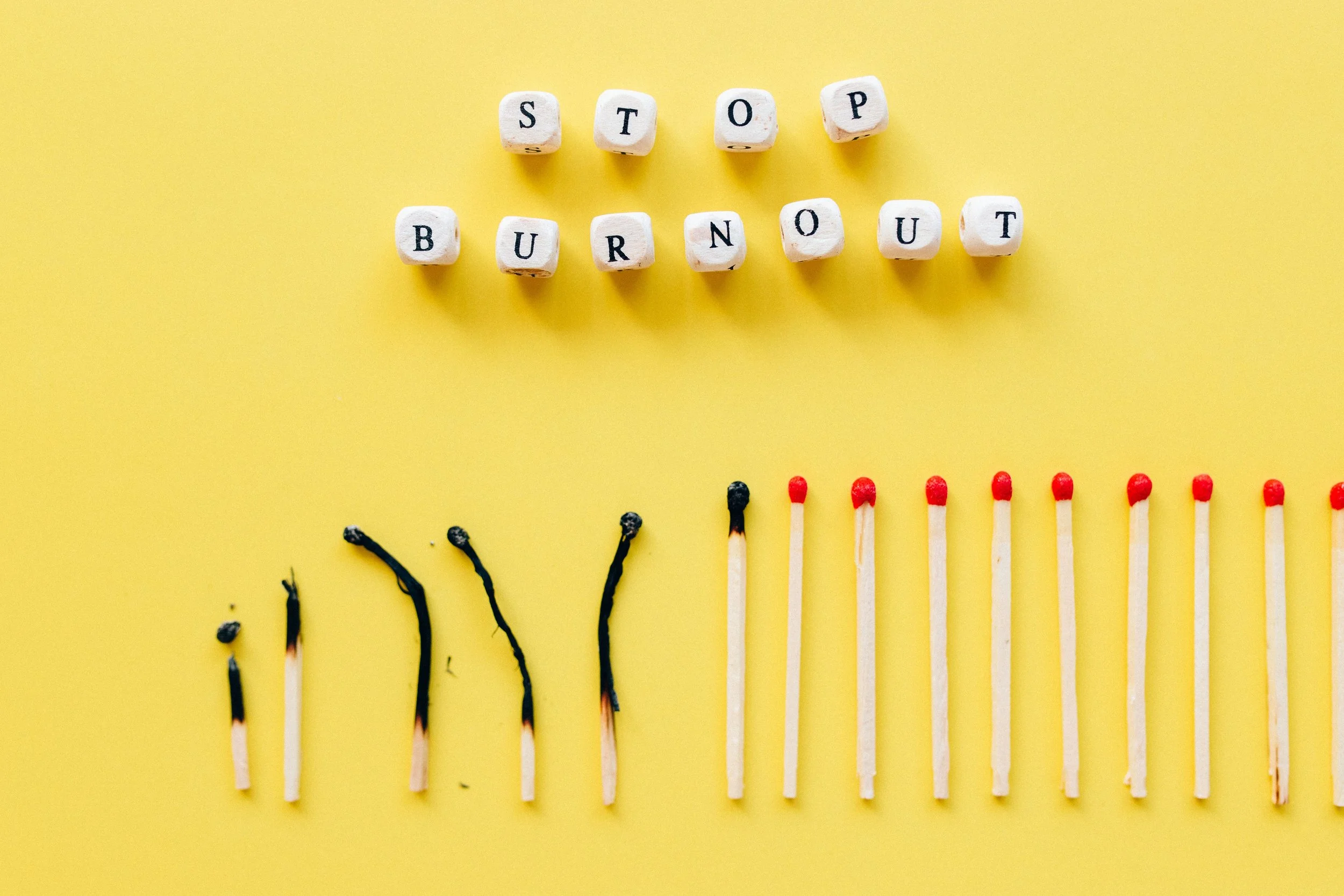
Still exhausted after a vacation or weekend? Learn why work stress can persist and how burnout therapy in Williamsburg, Brooklyn can help.
Finding a therapist can feel overwhelming when every profile starts to sound alike. Learn what to look for beyond credentials, what to ask during a consultation, and how to find someone whose approach feels right for you.
Christy Walshe, LMSW, offers emotionally attuned therapy for individuals and couples navigating relationship patterns, life transitions, anxiety, depression, boundaries, self-worth, and spiritual growth. Her work integrates relational therapy with embodied and contemplative practices.
Carolyn Patterson, LMSW, offers relational, psychodynamic therapy for individuals and couples navigating recurring relationship patterns, family-of-origin wounds, anxiety, ADHD, life transitions, and consensual non-monogamy. She also provides psychedelic preparation and integration therapy.
Anthony Windram, LMSW, offers thoughtful, depth-oriented therapy for adults and couples navigating anxiety, relationship patterns, career change, burnout, identity questions, and major life transitions. He is now accepting new clients in Williamsburg and virtually throughout New York.
We’re delighted to welcome Sabrina Rubenstein, LMSW, to Transcendent Self Therapy. Sabrina brings a warm, relational, and creative approach to adults navigating anxiety, ADHD, relationships, identity, grief, burnout, and life transitions.
Finding a therapist who accepts your insurance is important—but coverage is only one part of the decision. Here’s how to understand your Aetna benefits and find a Brooklyn therapist who fits your needs.
"There are friends who make us feel more like ourselves."
Maybe you've experienced it before.
You sit down for coffee with someone you've known for years. Nothing extraordinary happens. You talk about work, your family, the strange dream you had last night, the book you're reading, or the frustrating text message you can't stop thinking about.
A couple of hours later, you leave feeling lighter.
The problems in your life haven't disappeared.
Your to-do list hasn't gotten any shorter.
Nothing has objectively changed.
And yet somehow...you feel different.
Calmer.
More hopeful.
More yourself.
Many of us assume this feeling is simply "nice to have." We often prioritize our careers, romantic relationships, parenting responsibilities, or productivity while friendships quietly drift into the background. As adults, it's easy to believe friendships are optional luxuries—something we'll get to once life slows down.
But psychology tells us something very different.
Friendship isn't simply a pleasant addition to a meaningful life.
It is one of the foundations of one.
Meet Irene Shen-Yun, a bilingual English and Mandarin therapist at Transcendent Self Therapy in Williamsburg, Brooklyn, now accepting new clients for in-person and virtual therapy.
Feeling exhausted even after a full night's sleep? If your medical workup is normal, your fatigue may be emotional rather than physical. Learn how anxiety, burnout, perfectionism, trauma, and chronic stress affect the nervous system—and how therapy can help you regain your energy and sense of well-being.
Is therapy worth it? If you've ever wondered whether therapy actually works or how to know if it's making a difference, you're not alone. Learn what changes in therapy, why progress often looks different than expected, and how psychotherapy can help you build healthier relationships, greater self-awareness, and lasting emotional well-being.
Pride is often associated with celebration, visibility, and community. Yet for many LGBTQ+ individuals, Pride also brings up complicated emotions—including anxiety, grief, identity exploration, family conflict, and the ongoing work of becoming more authentically yourself. At Transcendent Self Therapy, we provide LGBTQ+ affirming therapy in Brooklyn and throughout New York, helping individuals navigate these experiences with compassion and curiosity.
If you've been struggling with loneliness, identity questions, life transitions, or a persistent feeling that you don't fully belong, therapy can help. Our therapists work with adults throughout New York who are seeking greater connection, self-understanding, and emotional well-being.
Schedule a consultation to learn more about working with Transcendent Self Therapy.
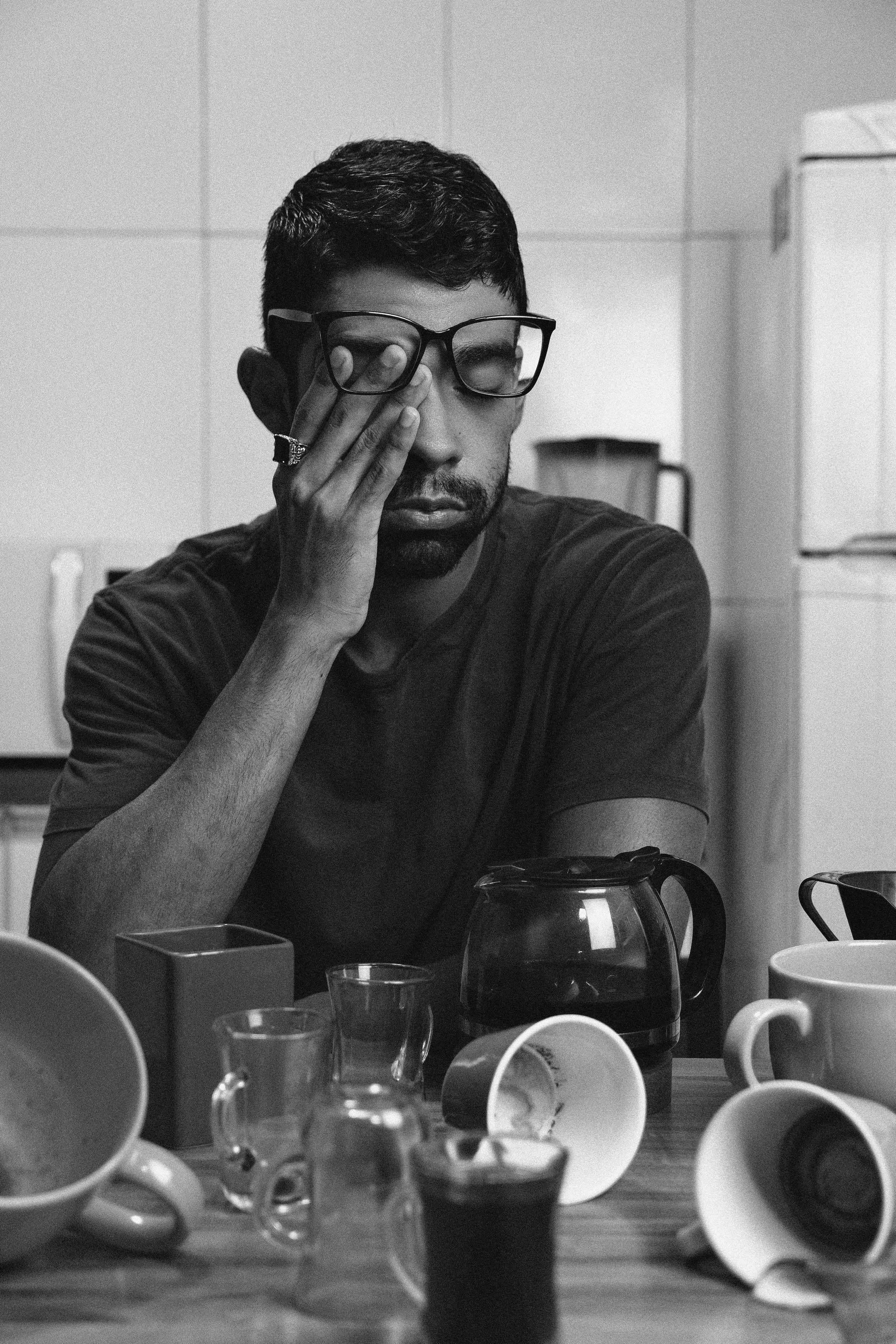
You slept. You drank water. Maybe you exercised. You've tried vitamins, coffee, taking a day off, going to bed earlier, and promising yourself you'll finally slow down next week.
And yet, you're still exhausted.
Not the kind of tired that comes from a busy day or a poor night's sleep. The kind that seems to live in your bones. The kind that follows you into weekends and vacations. The kind that leaves you wondering, What is wrong with me?
If this sounds familiar, you are not alone.
Many people assume that exhaustion is purely physical. Sometimes it is. Medical concerns, sleep disorders, nutritional deficiencies, and countless other factors can contribute to fatigue, and it is always important to rule those possibilities out.
But often, what we call "being tired" is actually something deeper.
Sometimes we are not physically exhausted.
Sometimes we are emotionally exhausted.
Many people come to therapy feeling confused about their relationships.
On paper, everything may look right. Their partner is kind, emotionally available, communicative, and consistent. There are no major red flags. No dramatic fights. No uncertainty about where things stand.
And yet something feels missing.
Often, clients describe a sense of feeling bored, disconnected, uninspired, or emotionally flat. They may find themselves wondering:
Why am I not more excited?
Why do healthy relationships sometimes feel boring?
Am I self-sabotaging?
Am I attracted only to emotionally unavailable people?
Shouldn't safety feel better than this?
These are important questions, and the answers are often more nuanced than people expect.
At Transcendent Self Therapy, we frequently work with individuals who are trying to understand the difference between feeling safe and feeling alive in relationships. While both are essential ingredients for a healthy partnership, they are not the same thing.
Meet Shreeja Vachhani, LMSW, a trauma-informed therapist specializing in attachment, family-of-origin dynamics, identity exploration, anxiety, and nervous system healing.
Trauma is not simply what happened to you. Learn how trauma affects the nervous system, relationships, and sense of self—and how healing is possible.
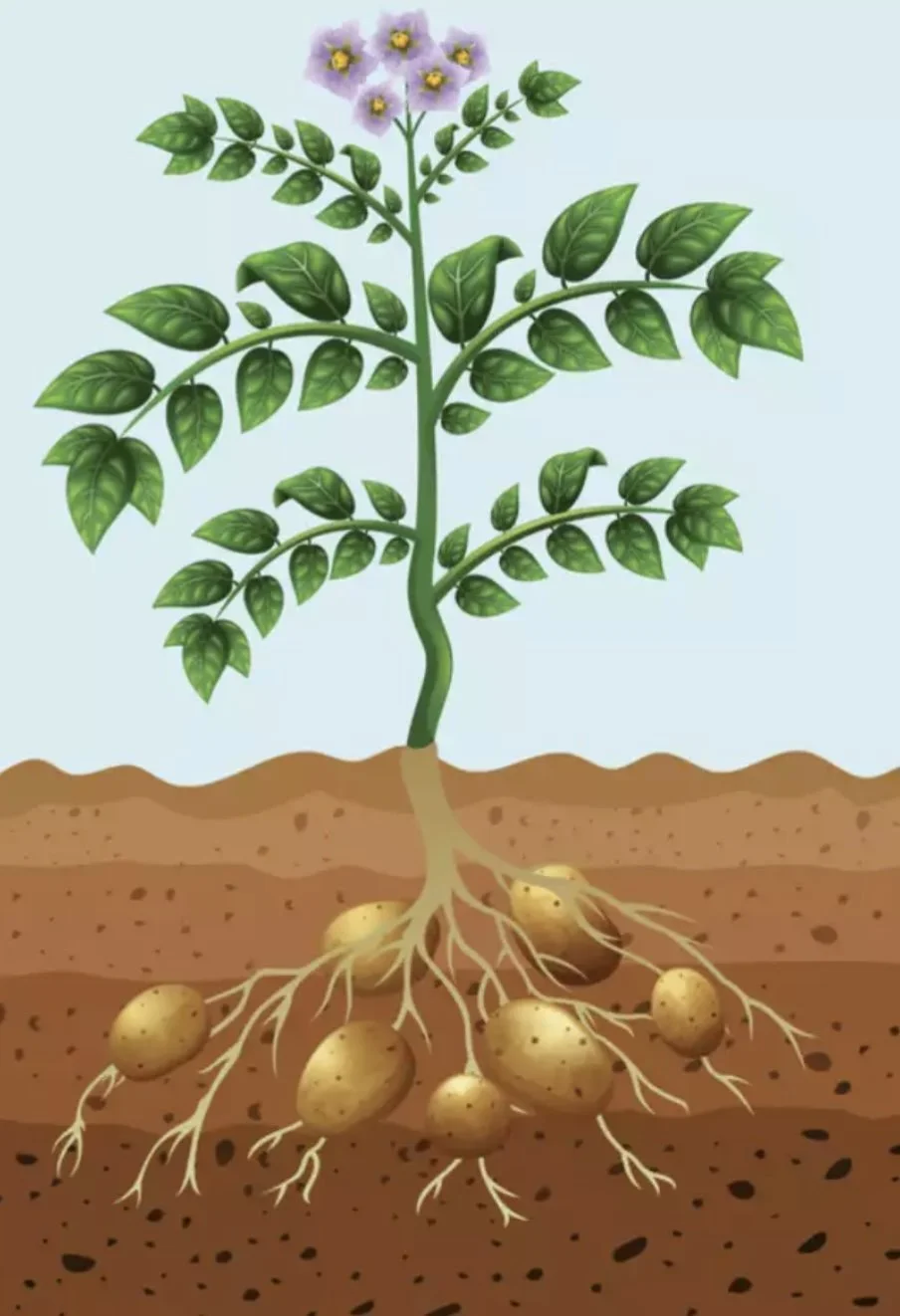
The Potato Parable
In Rogers’ (1980) own words, “[the potatoes] would never become plants, never mature, never fulfill their real potential. But under the most adverse circumstances, they were striving to become. Life would not give up, even if it could not flourish.” Rogers extended this potato analogy to people's growth and self-actualization.
Shouldn’t Love be Easy?
When couples seek me out for couples therapy, their stated goals usually revolves around acquiring new communication skills or improving conflict resolution strategies. While these aspirations are undeniably important, there’s a crucial process that often goes unmentioned: unlearning a lifetime’s worth ofmisconceptions about how relationships actually work.
Quilting
Despite the great limitations of her circumstances, my grandmother found a way to create beauty in her world. She transformed rags into something regal: quilts. When clothing had been passed down too many times it would be dissected into smaller pieces and sewn together into intricate geometric patterns, creating dynamic tapestries. The faded white walls and rickety wood furniture of the farmhouse were lifted up by her creative designs, antagonizing the functional utility of all other household items.
My grandmother’s quilts are history books – layers of material, chapters of her life, of her family’s life, of my family’s life, of generations.